
9 Hidden Safety Dangers at Waikiki Beach That Could Ruin Your Hawaii Vacation (Local Emergency Workers Reveal All)
As someone who’s called Oahu home for over three decades and explored every corner of all Hawaiian islands, I’ve witnessed too many vacations turn into medical emergencies. Emergency workers deal with these hidden dangers daily, but tourists rarely hear the full story.
Here’s what you need to know before your feet touch that famous sand.

Warning signs and a red flag alert beachgoers to dangerous shorebreak and no-swimming conditions.
The Numbers Don’t Lie About Waikiki’s Hidden Risks
Most people think Waikiki is just sunshine and surfboards, but the statistics tell a different story 12. During peak summer months, lifeguards make over 200 ocean rescues per month at Waikiki alone, with July and August being particularly dangerous 34. What surprised me most when I started tracking these incidents was how severe sunburn leads all safety incidents with 45 cases monthly, followed by coral cuts at 25 incidents 1.
The reality hits differently when you see the seasonal patterns. Winter months average about 40-50 rescues, but those numbers explode to over 200 during summer tourist season 24. Water-related injuries make up 44.2% of all visitor trauma admissions to Hawaii’s main trauma center, even though tourists represent only 12.6% of the daily population.
Pro tip: Check the monthly rescue data before booking your trip – certain times of year are significantly safer than others.
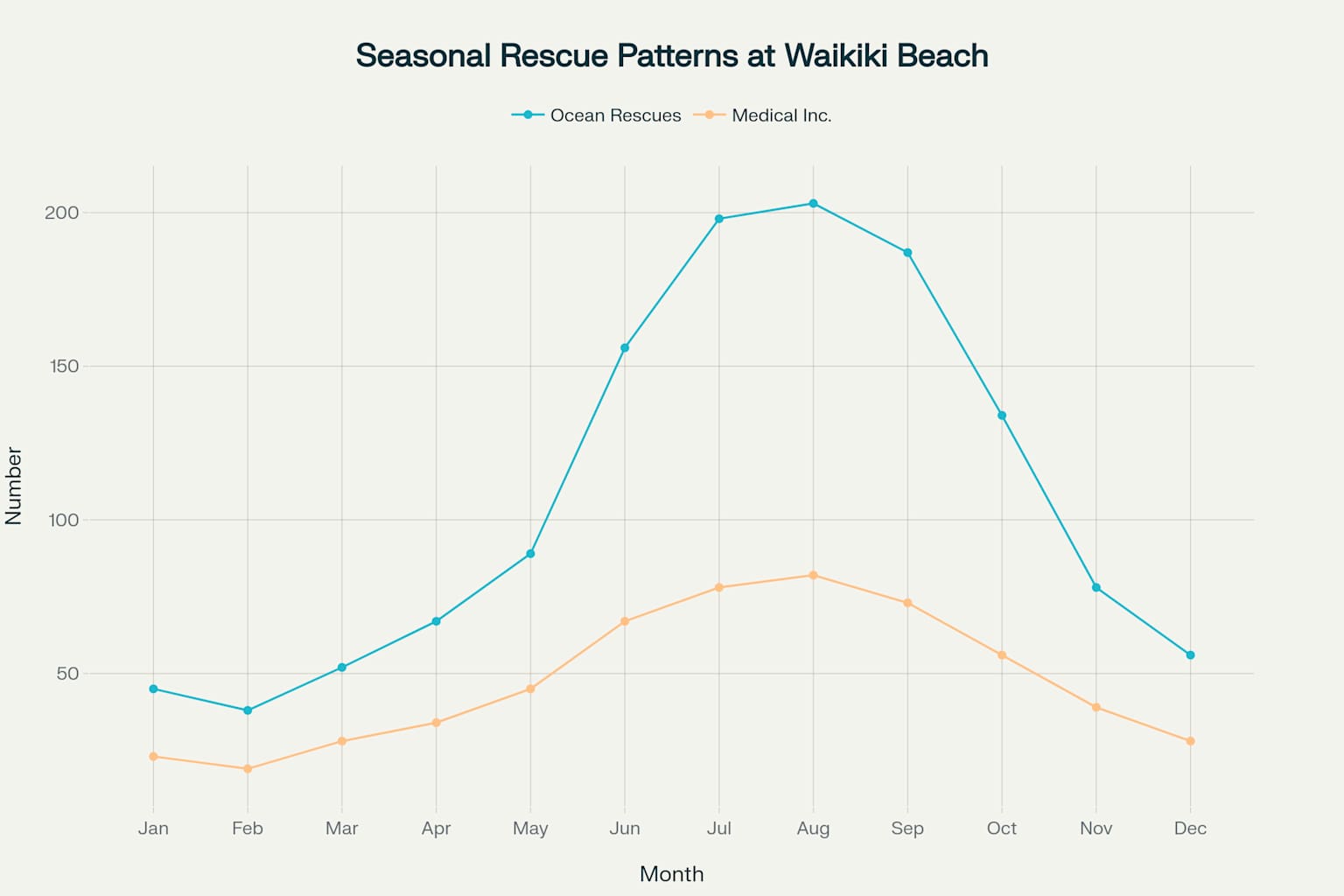
Seasonal patterns showing how ocean rescues and medical incidents peak during summer months at Waikiki Beach
Box Jellyfish Swarms That Appear Like Clockwork
Here’s something most guidebooks won’t tell you – box jellyfish arrive at Waikiki with predictable lunar precision 678. They swarm to Hawaii’s south and leeward shores 9-12 days after each full moon, lasting for several days 18. I learned this the hard way during my first year living here when I got stung badly enough to require medical attention.
The pain was immediate and intense – like being branded with a hot iron. Box jellyfish stings cause burning, redness, and swelling that can last for weeks . In severe cases, breathing difficulties and cardiac arrest can occur, though this is rare in Hawaiian waters. Unlike Australia’s deadly box jellies, Hawaii’s Carybdea alata are generally not fatal but can absolutely ruin your vacation.
Emergency workers post warning signs whenever box jellies are spotted, but many tourists ignore them 67. The Waikiki Aquarium maintains a jellyfish calendar that accurately predicts arrival dates 78. Always check with lifeguards before entering the water – they have the most current information about marine hazards.
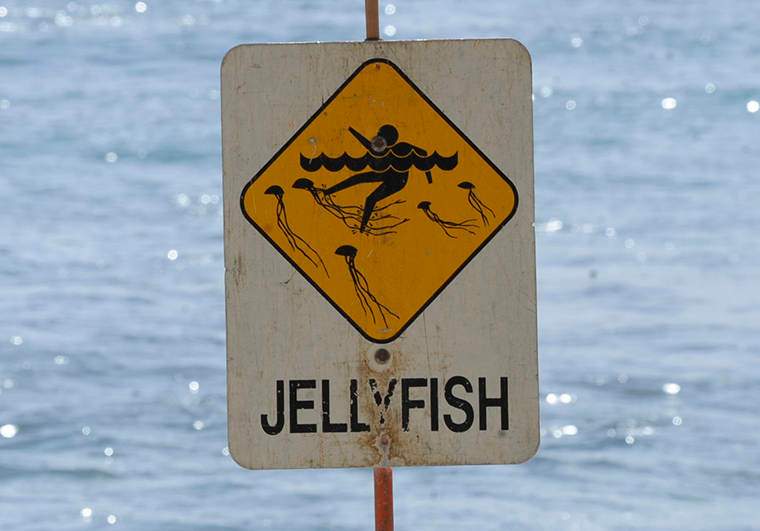
A weathered jellyfish warning sign stands by the water, alerting beachgoers to potential marine hazards.
Insider tip from a local: Download the HNL Alert app and text ‘HNLALERT’ to 888777 for real-time beach condition updates that most tourists never receive 6.
Portuguese Man-of-War Invasions You Can’t See Coming
The Portuguese man-of-war creates an even more dangerous situation than box jellyfish. These aren’t actually jellyfish but colonies of organisms that can grow tentacles up to 165 feet long. I remember walking Ala Moana Beach one morning and counting over 20 washed up on just a quarter-mile stretch.
Unlike box jellies, man-of-war appear unpredictably and are much harder to spot in the water. They’re commonly found on Oahu’s west and south-facing shores, including Waikiki, Ala Moana, and Hanauma Bay. Their stings create distinctive zig-zag marks on your skin and can cause cardiac arrest in rare cases.
The translucent blue color makes them nearly invisible against ocean water. Even dead ones washed up on beaches can still sting, so never touch them. Recent sightings at Waikiki beaches in 2024 forced lifeguards to post warnings and advise people to stay out of the water entirely.
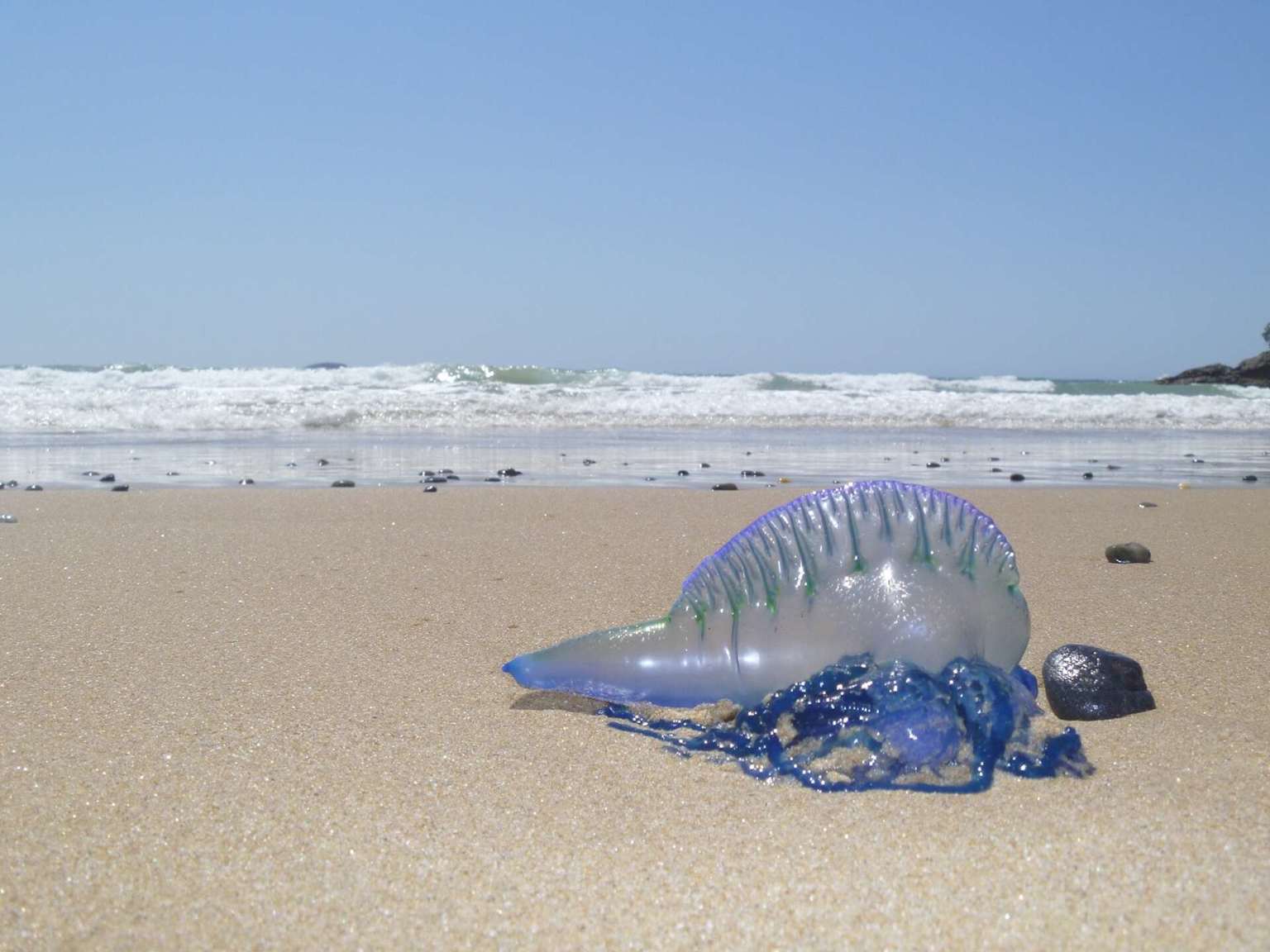
A Portuguese man-of-war washed ashore on a Hawaiian beach, illustrating a potential marine hazard
What makes man-of-war particularly treacherous is their ability to float far out to sea and drift with wind currents 12. A calm morning can turn dangerous within hours as these colonial creatures arrive with changing winds. Always scan the water before entering and never swim alone when man-of-war advisories are posted.
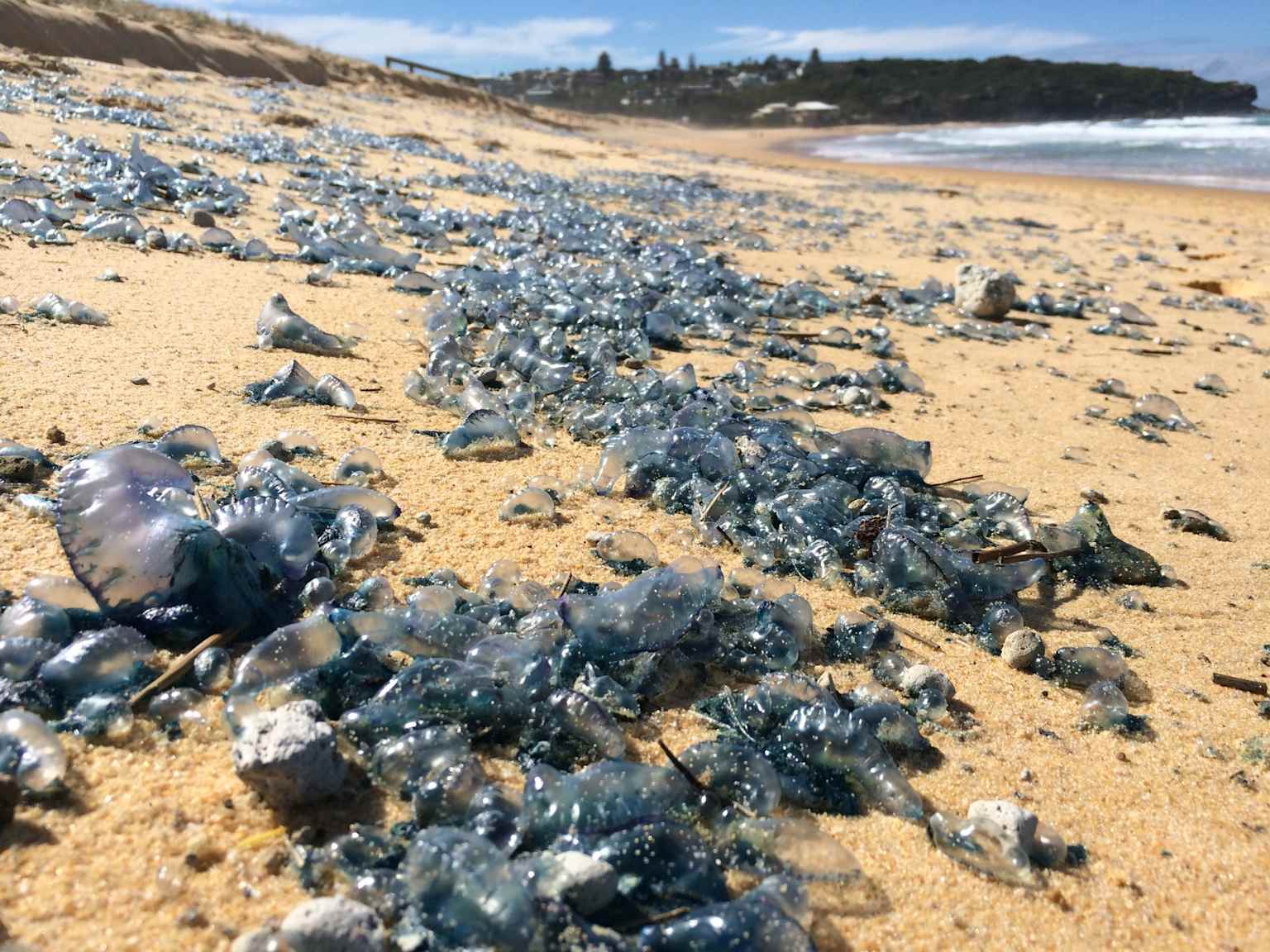
Numerous Portuguese men-of-war cover a sandy beach, posing a hidden danger to beachgoers

Coral Cuts That Turn Into Serious Infections
The coral reefs that make Waikiki beautiful also create one of the most underestimated dangers for tourists. Most beaches have sharp coral reefs close to the shoreline, and foot protection is strongly advised. What starts as a minor scrape can quickly become a serious medical issue requiring antibiotic treatment.
Coral cuts are particularly dangerous because they introduce marine bacteria directly into your bloodstream 16. Vibrios and Aeromonas species are virulent waterborne organisms that commonly infect coral wounds. The warm, wet environment around coral creates perfect conditions for bacterial growth, and even small cuts can become infected within hours.
I watched a friend’s vacation turn into a week-long medical ordeal after she scraped her knee on coral while snorkeling at Hanauma Bay. What seemed like a minor cut developed into cellulitis that required emergency room treatment and strong antibiotics. The infection spread so quickly that she couldn’t walk properly for the rest of her trip.

An irritated skin injury, possibly a coral cut, highlights a hidden safety danger in marine environments
Clean coral cuts immediately with soap and water, followed by aggressive irrigation with saline solution and hydrogen peroxide. Apply antibiotic ointment and monitor for signs of infection like increased redness, swelling, or red streaking. Seek medical attention immediately if you develop fever or if the wound worsens after proper cleaning.
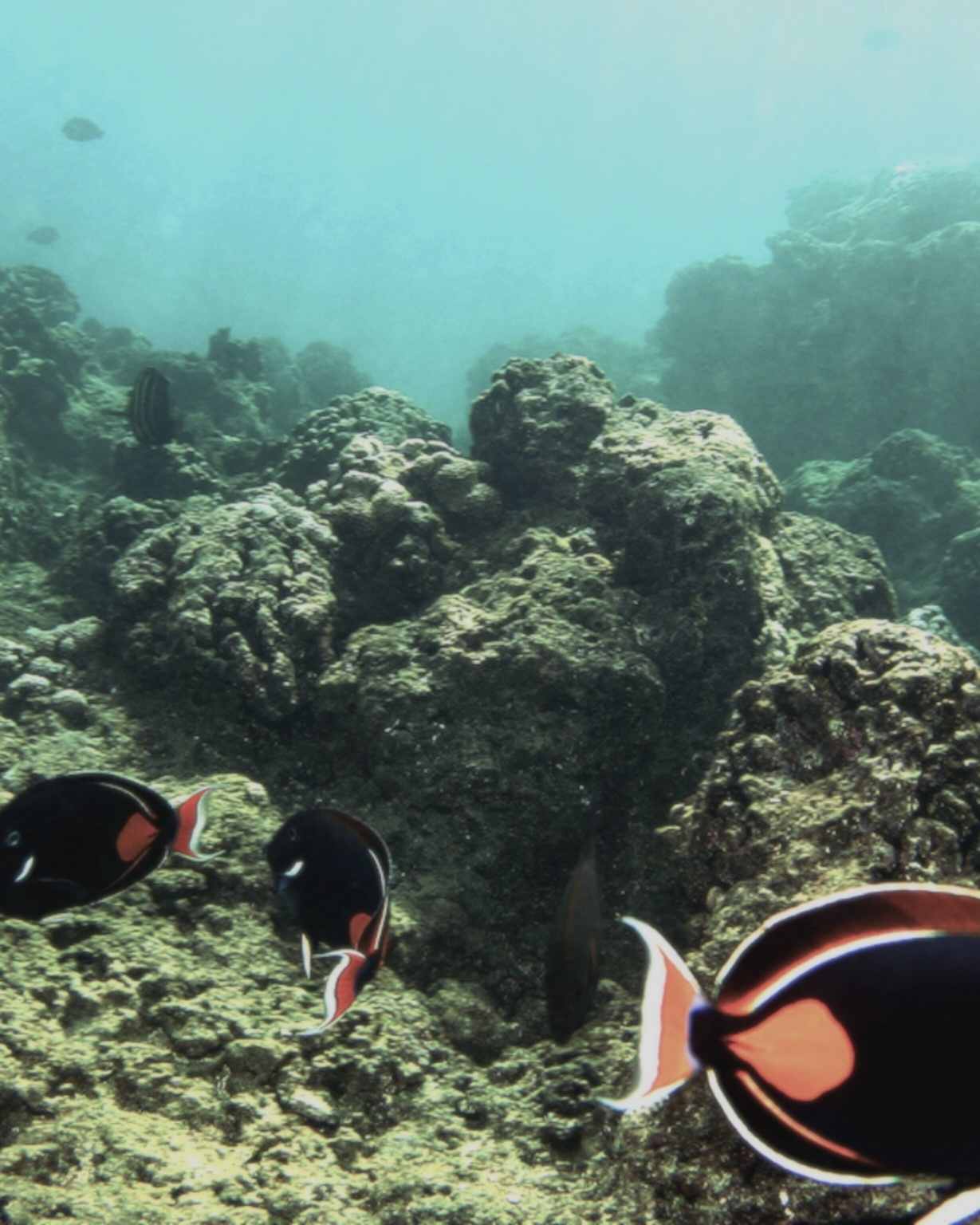
An underwater view of a coral reef with fish, highlighting the natural environment that can pose a risk of coral cuts
The surprising truth about coral cuts is that topical antibiotics often aren’t enough for marine-acquired wounds. Oral antibiotics like fluoroquinolones or doxycycline are frequently needed to treat the specific bacteria found in Hawaiian waters.
Rip Currents and Drowning Risks That Kill More Than Sharks
Drowning is the number one cause of injury-related death for Hawaii tourists. This shocked me when I first learned it – most people worry about sharks, but you’re statistically more likely to drown than be attacked by any marine predator. Recent data shows Hawaii leads in visitor drownings, with officials now treating this as a crisis.
Rip currents form around jetties, breakwaters, and other coastal structures without warning. They can pull even strong swimmers far from shore in minutes. During my early surfing days, I got caught in a rip at Sandy Beach and barely made it back to shore – the experience taught me massive respect for ocean currents.
If caught in a rip current, swim parallel to shore rather than fighting directly against it. Let the current take you sideways while slowly working toward shore at an angle. Fighting directly against a rip current will exhaust you quickly and increase drowning risk.
The most dangerous misconception is that calm-looking water is always safe. Some of the most rescues happen on “in-between days” when waves don’t look threatening but strong currents are still moving underwater 3. During one recent summer weekend, lifeguards made 100 rescues in a single day at Waikiki area beaches 3.
Pro tip: Always enter the water feet first and check for depth and obstructions before diving. Never turn your back on the ocean – large waves can appear suddenly after several smaller one.
Extreme UV Exposure That Hospitalizes Tourists
Hawaii’s proximity to the equator creates dangerously intense UV radiation year-round. What many tourists don’t realize is that Hawaii experiences “very high” UV index days annually, with levels reaching 8 or higher on a scale of 1-11+. The sun exposure here can cause second-degree burns in just 15-25 minutes.
The deceptive part about Hawaiian sun exposure is how the trade winds keep you feeling cool while you’re actually burning. I’ve seen countless tourists arrive at urgent care clinics with severe sunburns after their first beach day, completely unaware they were getting damaged. The cool ocean breeze masks the intensity of UV radiation, creating a false sense of safety.
Severe sunburn represents 45 monthly incidents at Waikiki, making it the most frequent safety issue tourists face 1. The combination of direct sunlight, reflection off sand and water, and higher altitude increases UV exposure significantly. Even cloudy days provide little protection – UV rays penetrate cloud cover easily.
A family relaxes under a blue sun shelter on a sunny white sand beach
Always apply broad-spectrum sunscreen with SPF 30 or higher 15 minutes before sun exposure. Reapply every two hours and after swimming, even with “waterproof” formulas. Dark-colored, tightly-woven clothing provides better protection than light colors with loose weaves.
The unexpected reality is that locals get just as burned as tourists if they’re not careful. Hawaii residents know to seek shade during peak hours (10 AM to 4 PM) and always carry reef-safe sunscreen. As we say here, “Da sun no joke” – it demands serious respect.

Flash Floods in Paradise That Catch Everyone Off Guard
Flash flooding might seem impossible in tropical paradise, but Hawaii’s mountainous terrain creates sudden, dangerous water surges with little warning. Recent storms have demonstrated how quickly conditions can change – in January 2025, powerful storm systems brought damaging winds, severe thunderstorms, and flash flooding that left nearly 50,000 people without power.
The geography of Oahu creates perfect conditions for flash floods. Steep mountains channel rainwater into narrow valleys and urban areas within minutes. What starts as a light drizzle in Waikiki can become a dangerous torrent if heavy rains hit the mountains behind Honolulu.
During my years here, I’ve witnessed multiple flash flood emergencies that caught both locals and tourists completely unprepared. Streets become rivers, and low-lying areas near Waikiki can flood rapidly. Never drive through flooded roads – just six inches of moving water can knock down an adult, and 12 inches can carry away a vehicle.
The state’s brown water advisories often follow heavy rains, indicating dangerous bacteria levels in coastal waters. Avoid swimming for at least 72 hours after heavy rainfall – contaminated runoff creates serious health risks. Flash flood warnings can affect entire islands for weeks, as Maui experienced with a three-week brown water advisory in early 2024.
Water Quality Issues That Make You Sick
Water contamination represents a hidden danger that affects 6 incidents monthly at Waikiki beaches 1. Hawaii’s unique challenge is that state testing pauses whenever brown water advisories are in effect, creating information gaps precisely when contamination risk is highest. This means tourists often lack current water quality data when they need it most.
Heavy rainfall brings urban runoff, sewage overflow, and agricultural chemicals into coastal waters. Enterococcus bacteria levels can spike to dangerous levels within hours of storm events. Swimming in contaminated water can cause gastrointestinal illness, skin infections, and respiratory problems.
The surprising gap in Hawaii’s water safety system is that brown water advisories rely on visual assessment rather than bacterial testing. Waters may appear clear but still contain dangerous bacteria levels, or look murky but actually be safe for swimming. Recent policy changes aim to continue testing at heavily-used beaches even during brown water events.
Check the Department of Health website or sign up for email alerts before swimming. Avoid swimming near storm drains, river mouths, or areas with visible runoff. Wait at least 48-72 hours after heavy rains before entering the ocean.

Volcanic Air Quality That Affects Your Breathing
Volcanic emissions from Kilauea create air quality issues that can affect Oahu, even though the active volcano is on the Big Island. When Kilauea erupts, vog (volcanic smog) can travel hundreds of miles, affecting sensitive individuals across the Hawaiian chain. Recent eruptions in December 2024 prompted health advisories for residents and visitors.
Vog contains sulfur dioxide and fine particulates that can trigger asthma, respiratory irritation, and eye problems. Children, elderly individuals, and people with pre-existing respiratory conditions are particularly vulnerable. The Department of Health monitors air quality stations and issues advisories when levels become unhealthy.
What surprises many tourists is that vog can affect areas hundreds of miles from active volcanoes. Wind patterns carry volcanic emissions across the island chain, sometimes creating hazy conditions and respiratory irritation in Waikiki. Ocean View and Pahala monitoring stations frequently show elevated readings during active eruption periods.
Monitor air quality data on the Clean Air Branch website and the Hawaii Interagency Vog Information Dashboard. Reduce outdoor activities during poor air quality days, especially strenuous exercise. Stay indoors with windows closed if you experience breathing difficulties.
The Surprising Truth About Watercraft Accidents
Watercraft accidents average 3 incidents monthly but carry a severity rating of 8 out of 10 1. The congested waters off Waikiki create dangerous conditions with swimmers, surfers, outrigger canoes, tour boats, and personal watercraft all sharing limited space 2. I witnessed a serious collision between a tour boat and surfer that resulted in multiple fractures and an extended hospital stay 2.
The most dangerous areas are where swimming zones overlap with watercraft corridors 2. Large tour boats and outrigger canoes often speed through areas where swimmers and snorkelers are present 2. Poor visibility, inexperienced operators, and crowded conditions contribute to accident risk 2.
Recent incidents include a 90-foot sailboat running aground on a reef near Fort DeRussy with 30 passengers aboard. Coast Guard and Ocean Safety teams regularly respond to vessel emergencies that put both passengers and rescue workers at risk. Equipment failures, weather changes, and operator error all contribute to watercraft incidents.
Maintain situational awareness when swimming in areas with boat traffic. Stay close to designated swimming areas and avoid channels used by larger vessels. If you charter watercraft, verify that operators are properly licensed and equipment is maintained.
Your Action Plan for a Safe Waikiki Experience
Knowledge is your best defense against these hidden dangers. Check ocean conditions with lifeguards before entering the water. Download beach safety apps and sign up for local emergency alerts 6. Pack reef-safe sunscreen, apply it generously, and reapply frequently.
The key insight that emergency workers want you to understand is that most incidents are preventable with proper awareness and preparation. Respect warning signs, check weather and ocean conditions, and never swim alone. When in doubt, stay out of the water.
Your Hawaii vacation can be absolutely magical and completely safe with the right knowledge and precautions. The islands offer incredible experiences – just make sure you’re prepared for the hidden challenges that come with paradise.
Remember: These dangers shouldn’t scare you away from Waikiki, but they should inform your decisions. As we say in Hawaii, “Malama pono” – take care of yourself and stay safe.
Where to Stay Safely Near Waikiki Beach
While safety should be your primary concern, choosing accommodation close to medical facilities and lifeguarded beaches provides additional security. OUTRIGGER Waikiki Beach Resort sits directly on the beach with immediate access to lifeguard services. Royal Hawaiian Luxury Collection Resort offers premium beachfront access just 150 feet from lifeguarded areas.
For budget-conscious travelers, Shoreline Hotel Waikiki provides quality accommodation 400 feet from the beach. Ramada Plaza by Wyndham Waikiki offers excellent value at $178 nightly.
Vacation rental options include Waikiki Beach 2-Bedroom Condos sleeping six for $515 nightly and Cozy Studios with Ocean Views starting at $183.


