
13 Authentic Hawaiian Souvenirs That Actually Support Local Families (Skip Made in China Knockoffs)
As someone who’s called Oahu home for over three decades, I’ve watched countless visitors leave with cheap plastic hula dolls that scream “tourist trap.” But I’ve also guided friends to hidden artisan workshops where the scent of hand-sanded koa wood fills the air and every purchase supports local families.
The difference between authentic Hawaiian treasures and mass-produced knockoffs isn’t just about quality – it’s about bringing home pieces that truly embody the islands’ soul. Let me share the insider secrets I’ve learned from living here and exploring every corner of Hawaii’s cultural marketplace.
The Ultimate Guide to Authentic Hawaiian Treasures
#1 Koa Wood Bowls – Pieces of Living History
Walk into any Big Island woodworking shop and the warm, nutty aroma of fresh koa shavings hits you immediately. This isn’t just any wood – koa trees grow exclusively in Hawaii and hold deep cultural significance as symbols of strength and courage. The Hawaiian word “koa” literally means “warrior,” reflecting this wood’s sacred status among ancient chiefs.

During my friends last visit to a Hilo workshop, I watched master craftsman Uncle Keoni select each piece by hand, explaining how the grain patterns tell the tree’s life story. “See these darker streaks?” he said, running weathered fingers along the wood. “That’s where the tree healed from storms. Makes it stronger, more beautiful.”
Authentic koa bowls range from $60-$600, depending on size and craftsmanship. Test authenticity by checking the weight—real koa feels surprisingly light—and looking for maker’s marks or hologram stickers that reputable artisans use.
#2 Hawaiian Quilts – Cultural Storytelling Through Fabric
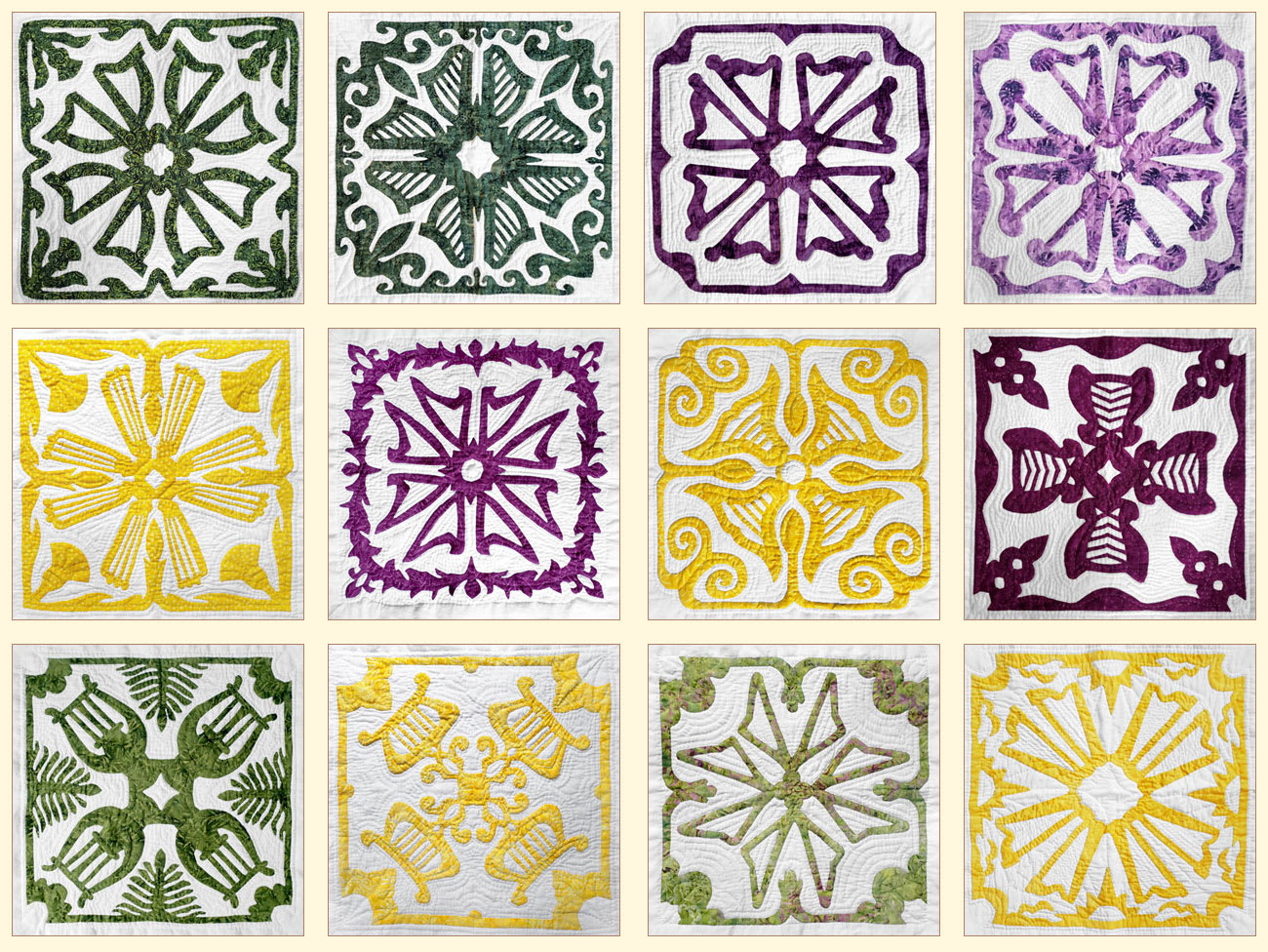
Hawaiian quilting isn’t just needlework – it’s cultural preservation sewn into every stitch. These unique creations emerged in the 1820s when missionary wives taught local women European quilting techniques, but Hawaiians adapted the art to reflect their own aesthetic and storytelling traditions.
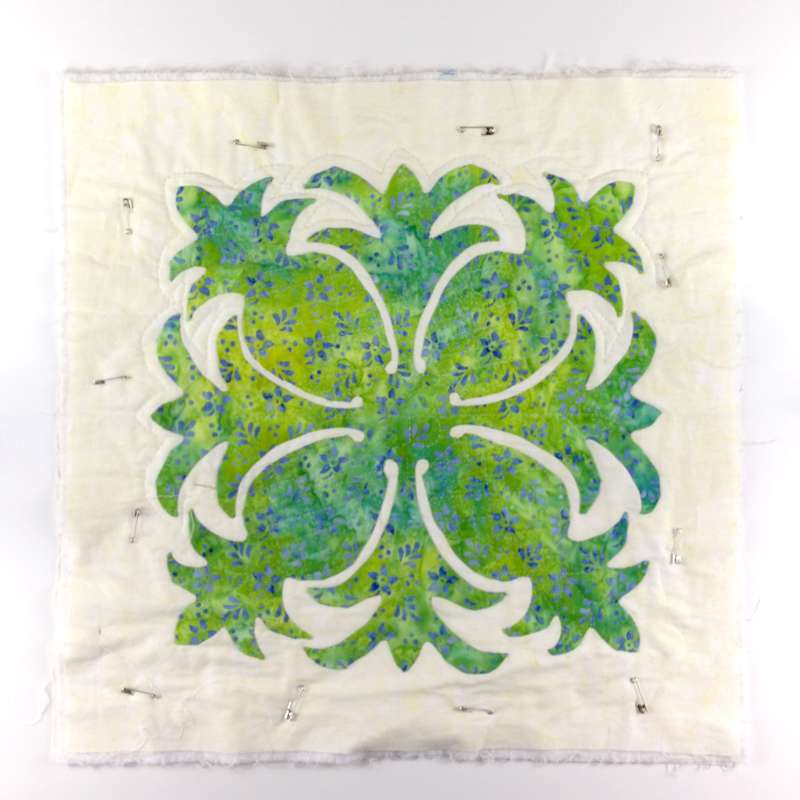
Traditional patterns mirror nature’s abundance: breadfruit leaves symbolize prosperity, while wave designs represent the ocean’s eternal presence. Each quilt tells a family’s story through carefully chosen symbols and colors. The most meaningful pieces feature just two solid colors – typically bright designs against white backgrounds – creating perfect symmetry that represents balance in island life.
Insider knowledge: Authentic Hawaiian quilts should start with a breadfruit pattern, as tradition holds this ensures “a fruitful life, never starving for wisdom or knowledge”.
#3 Hawaiian Red & Black Sea Salt – Taste the Ocean’s Gift
Hawaii’s unique geography creates three distinct sea salt varieties that capture different aspects of the islands’ volcanic personality. Red alaea salt gets its earthy color from sacred volcanic clay, black lava salt gains smoky depth from activated coconut charcoal, and pure white Moloka’i salt offers clean ocean essence.
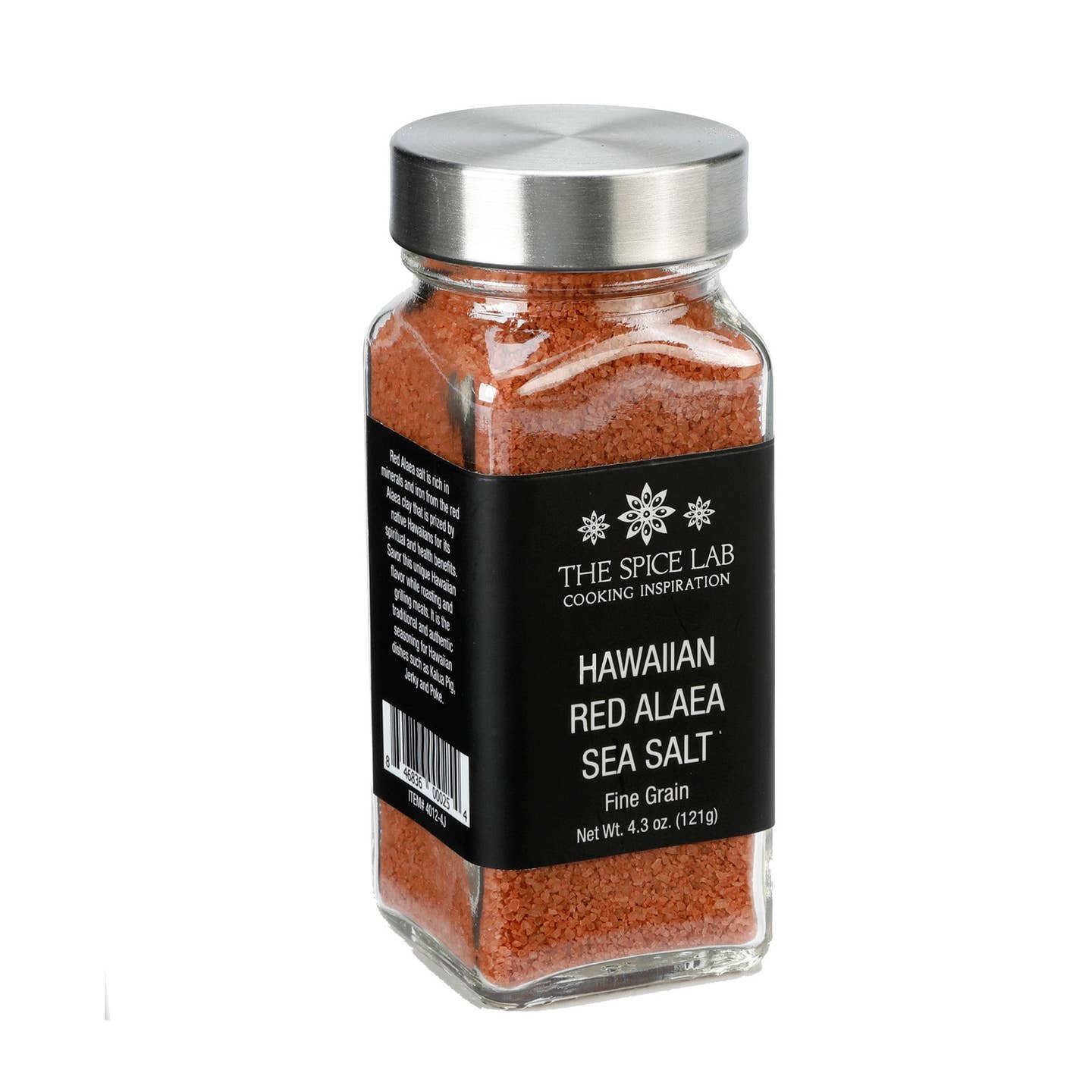
I keep all three varieties in my kitchen, and each transforms food differently. The red salt adds mineral complexity to grilled fish, black salt provides dramatic visual contrast on lighter dishes, and white salt lets ingredient flavors shine. Local chefs consider them essential tools for authentic Hawaiian cuisine.
Shopping tip: Authentic Hawaiian salt companies like Kailua Seasoning Company offer trio packs for under $25, making perfect hostess gifts.
#4 Fresh Flower Leis – Wearable Island Essence
Nothing captures Hawaii’s sensory magic like a freshly strung lei. The buttery fragrance of pikake jasmine, the tropical sweetness of plumeria, or the regal scent of maile vines creates an immediate connection to island traditions.

Visit Cindy’s Lei Shoppe in Honolulu before 9 a.m. and you’ll find coolers packed with flowers picked at dawn. Prices range from $18-$60 depending on complexity, but even simple plumeria leis carry cultural weight. In Hawaiian tradition, giving and receiving lei represents the breath of life shared between people.
Local saying: “Lei is the Hawaiian way to say ‘I love you’ without using words.”

#5 100% Kona Coffee – Liquid Gold from Volcanic Slopes

Kona coffee grows in the world’s most exclusive agricultural zone—a narrow 30-mile belt on Hualalai and Mauna Loa’s slopes where morning sun and afternoon mist create perfect growing conditions. Only about 2.7 million pounds are produced annually, making authentic Kona coffee genuinely rare.
The 2024 Kona Coffee Cultural Festival crowned four farms as cupping champions after rigorous evaluation by international judges. These winners represent the pinnacle of coffee craftsmanship, with beans exhibiting complex flavor profiles ranging from caramel sweetness to bright citrus notes.
Tour Greenwell Farms to understand what makes Kona special—you’ll taste the difference altitude, soil, and traditional processing methods create. True 100% Kona coffee costs $25-$40 per pound, reflecting the hand-harvesting required on steep volcanic slopes.
#6 Macadamia Nuts – Hawaii’s Buttery Gold
The Hamakua Macadamia Nut Company in Kawaihae offers free chocolate-dipped samples roasted daily on-site. I still remember the cheerful “Aloha! Try da coconut glaze!” echoing as I left with a three-pound mixed case that lasted exactly two weeks back home.

Hawaiian macadamia nuts taste dramatically different from Australian varieties due to our volcanic soil and trade wind climate. The local nuts have a buttery richness and subtle sweetness that pairs perfectly with our chocolate.
#7 Traditional Hawaiian Crack Seed – Island Energy Bites
Sweet-salty preserved fruits like li hing mui plums and ginger strips line glass jars in family shops like See Mui Crackseed in Hilo. Locals have been nibbling these during long surf sessions for generations – they provide steady electrolytes and energy without the sugar crash of mainland snacks.
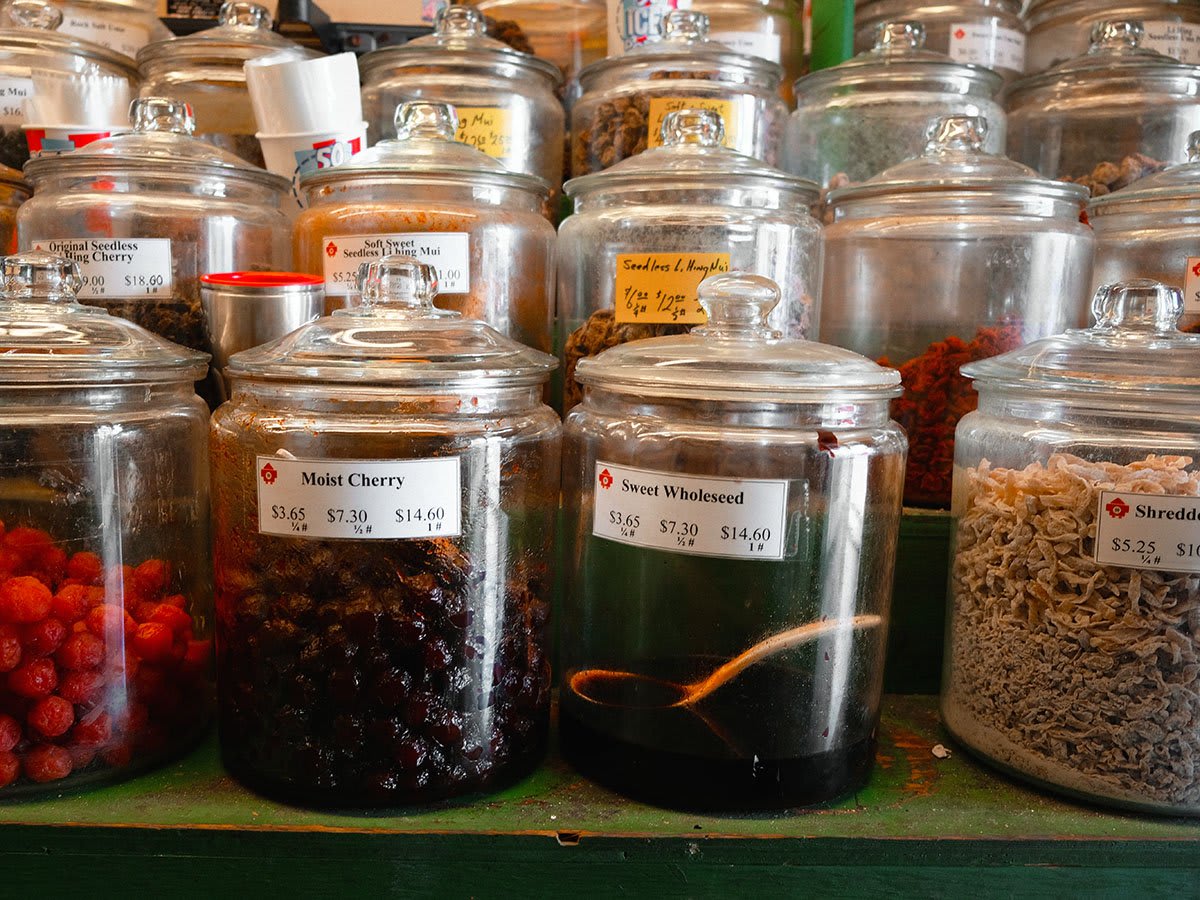
These traditional snacks connect to centuries-old preservation techniques brought by Chinese immigrants who integrated their food culture with local Hawaiian ingredients.

#8 Hawaiian Sea Salt Trio
Bring home a trio: red ʻalaea, black lava, and classic white Moloka‘i salt for under $12 at Islander Group stores. Pair with recipe cards for instant hostess gifts.

#9 Handcrafted Ukuleles – Music Made from Sacred Wood
Kamaka, KoAloha, Kanile’a, and Ko’olau – known as the “Four Ks” – still craft each instrument in small Honolulu workshops. Watching a luthier tap-test koa boards until they “sing” is witnessing artistry that connects directly to Hawaiian musical traditions.
Authentic Hawaiian ukuleles use native koa wood and traditional construction techniques passed down through generations. A quality instrument will cost $200-$3,000+ but will produce the warm, resonant tones that define Hawaiian music.

Musical insight: Test an ukulele’s quality by listening to sustain – good instruments will ring clearly for several seconds after strumming.

#10 Hawaiian Soy Candles and Home Fragrance
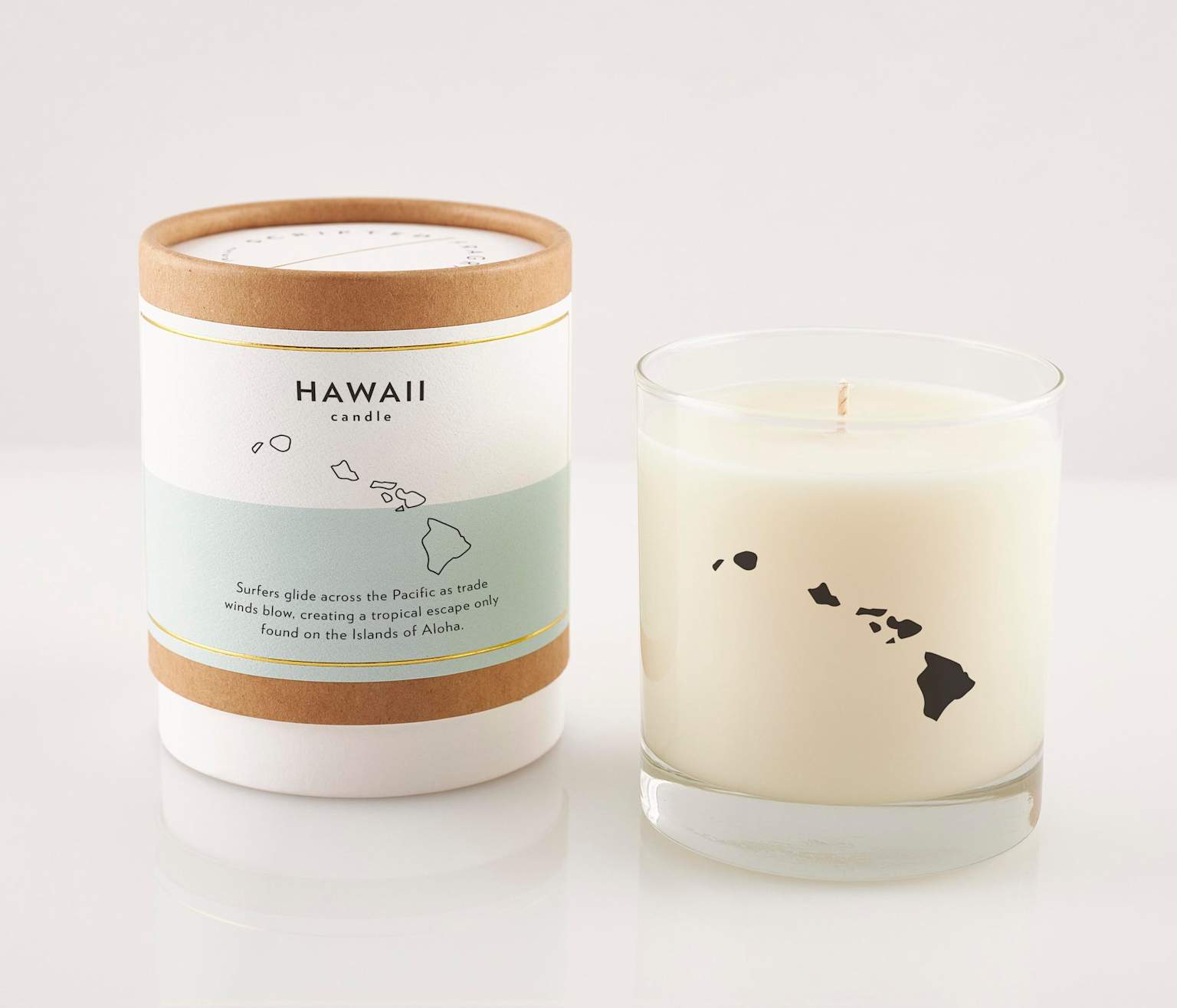
Pikake, puakenikeni, and ocean mist scents infused into coconut-soy wax by local brands like Jules & Gem and SALT+SOL burn cleaner and last longer than paraffin candles. The minimalist jars fit any décor while carrying the genuine fragrance of Hawaiian flowers.
#11 Island Skincare and Natural Soaps

Kukui nut oil balms soothe sun-kissed skin naturally, while lilikoi-guava soap captures the scent of roadside shave-ice stands in Hana. Hawaiian Bath & Body and Kula Herbs create products using traditional Hawaiian ingredients combined with modern sustainable practices.
TSA agents often stop to sniff these soaps through carry-on bags – they’re that fragrant and appealing!
#12 Curated Local Gift Boxes

House of Mana Up in Ward Village showcases 100% Hawaii-based makers, featuring everything from Manoa chocolate to Big Island Coffee Roasters and Ua Body skincare. Their staff expertly pack “Taste of Hawaii” boxes that ship flat-rate worldwide, solving the gift-giving challenge for mainland friends and family.
#13 Farmers-Market Treasures
Hilo Farmers Market (200+ vendors Wednesdays and Saturdays) and Kauai’s Waipa Tuesday market offer honey, woven lauhala hats, and farm-grown cacao nibs. Arrive early – parking fills by 8 a.m., and the best items sell quickly.
Farmers market strategy: Bring cash, reusable bags, and appetite for samples. Many vendors offer taste-tests that help you discover flavors you’d never find in mainland stores.
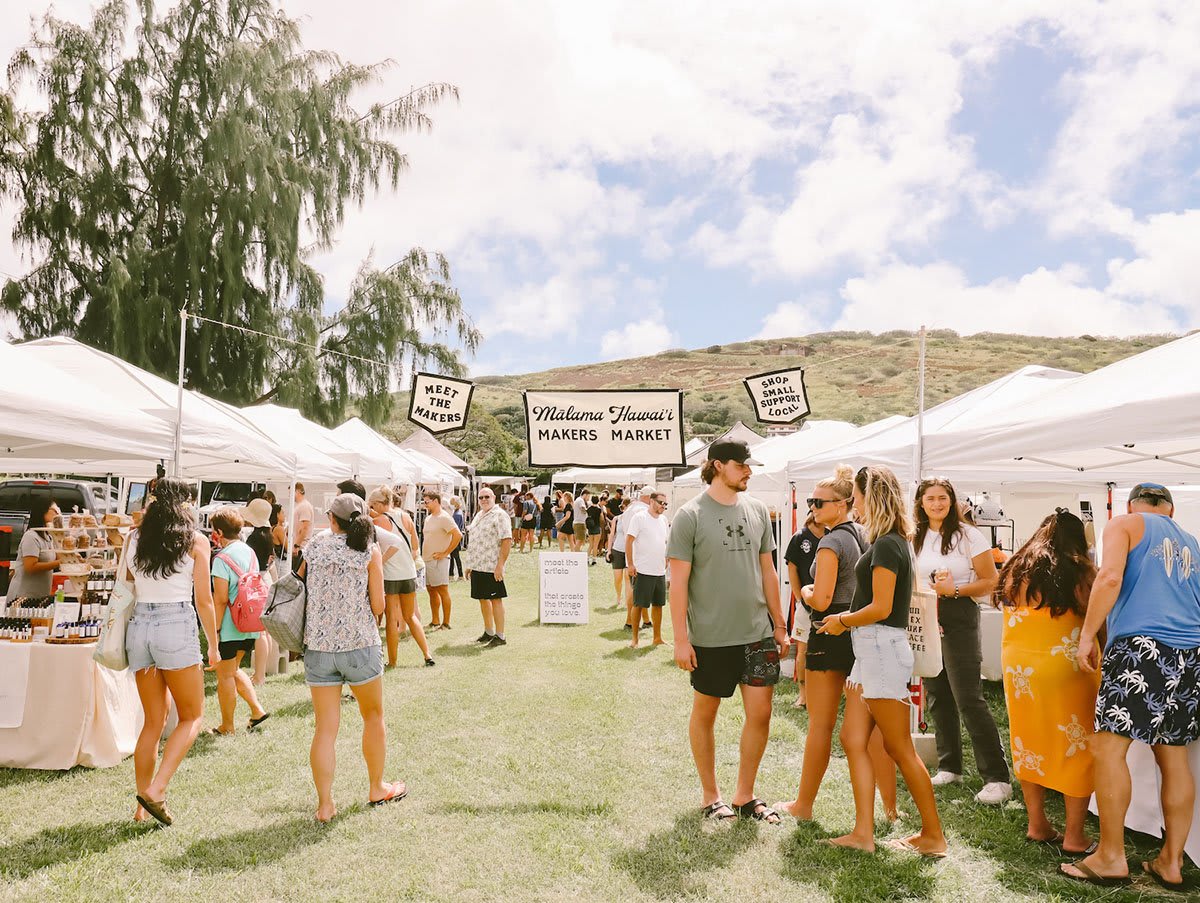
Where to Shop Like a Local on Oahu
Ward Village’s South Shore Market features boutique rows and House of Mana Up – park in the second-floor garage after 10 a.m. to avoid crowds. Na Mea Hawaii bookstore offers feather-lei workshops on Wednesdays (reserve online) and showcases exclusively Native Hawaiian artists and crafters.
Chinatown’s lei shops operate best in early morning hours when flowers arrive fresh from Big Island farms. The whole district carries an energy that’s distinctly local rather than touristy.
Shopping timing: Wednesday through Friday mornings offer the best selection and most relaxed shopping experience. Weekend mornings get crowded with both tourists and locals.
Why Authentic Hawaiian Souvenirs Matter More Than Ever
Living on Oahu means watching tourists leave daily with bags full of “Made in China” trinkets labeled as Hawaiian. It breaks my heart every time. What these visitors don’t realize is that authentic Hawaiian souvenirs carry stories, traditions, and the actual spirit of our islands.
Local economists have documented that every dollar spent on genuine Hawaii-made products circulates up to seven times within our island economy. When you buy that mass-produced shell necklace from a mainland factory, you’re essentially taking money out of our local artisans’ pockets and shipping it overseas.
The difference becomes obvious the moment you hold an authentic piece. A real koa wood bowl feels different in your hands – lighter yet substantial, with grain patterns that tell the story of decades of growth on volcanic slopes. Compare that to the heavy, dark-stained imports that smell like chemicals instead of our native forests.
Pro tip: Always look for “Made in Hawaii” or “100% Kona” labeling. If something’s labeled as a “blend” (especially coffee), it’s typically 90% imported with just enough local content to legally use Hawaiian imagery.
The Economics of Authentic Shopping
Every authentic Hawaiian purchase supports local families and preserves traditional crafts. When you buy a genuine koa bowl, you’re supporting the woodworker, the sustainable forestry program, and the cultural knowledge that keeps these traditions alive.
Conversely, those cheap “Hawaiian” souvenirs often come from overseas factories that have never seen our islands. The packaging might show palm trees and surfboards, but the products contain no actual Hawaiian materials or cultural connection.
Recent economic studies show that tourism purchases of authentic local products create jobs at 3x the rate of generic souvenir sales. Your souvenir choices directly impact whether local artisans can continue their craft or must find other work.
Packing and Shipping Your Treasures
Nest fragile items like koa bowls inside clothing and place in carry-on luggage. Kona coffee, macadamia nuts, and sea salts all pass USDA regulations for mainland transport. Fresh fruits need agricultural inspection tags, but most farmers markets offer shipping services to handle this paperwork.
Many shops provide flat-rate USPS shipping – fill boxes on-site to avoid overweight fees and ensure proper packaging for fragile items.
What to Absolutely Avoid
Skip the plastic hula dolls, fake flower leis that wilt before baggage claim, and ultra-cheap “Hawaiian shirts” made thousands of miles away. Lava rocks are illegal to remove and culturally inappropriate – locals believe they anger Pele, our volcano deity.
Under-10% Kona coffee blends sold at tourist shops often cost nearly as much as genuine 100% Kona while delivering vastly inferior flavor.
Personal Purchase
Last July, my cousin Lani wanted a quilt for her keiki’s first birthday. We visited Moana Quilts before dawn, Auntie Mei unrolled a breadfruit pattern and said, “This one feeds the family forever.” Lani rubbed the soft cotton and whispered, “Sold.” The quilt now hangs above the crib, and Lani says her son falls asleep tracing the leaf edges each night.
Your Souvenir Strategy
For lightweight gifts, choose soy candles or gourmet salt trios. Buying for foodies? Pick 100% Kona coffee beans plus macadamia-crunch chocolate. Want heirlooms? Invest in koa bowls or Hawaiian quilts. Shopping with kids? Let them create DIY lei-making kits. Musically inclined friends? Hand them a Kamaka soprano ukulele.
The True Value of Authentic Souvenirs
Souvenirs become storytellers. Each sip of crimson Kona coffee or glance at a hand-turned koa bowl invites your mind back to salt air, slack-key guitar strums, and the gentle sway of coconut palms. When you buy with intention and support local artisans, you carry genuine aloha far beyond our islands.
The choice is yours – generic trinkets that’ll gather dust in a drawer, or authentic pieces that’ll spark memories and conversations for decades. Having watched both tourists and locals make these decisions for years, I can tell you which choice brings lasting joy.
Buy local, buy authentic, and you’ll discover that the best Hawaiian souvenirs aren’t just objects – they’re cultural ambassadors that keep the spirit of aloha alive wherever they land.


